The Vision, Development & Launch of Manuel Antonio Tree House Villas 1, 2 and 3
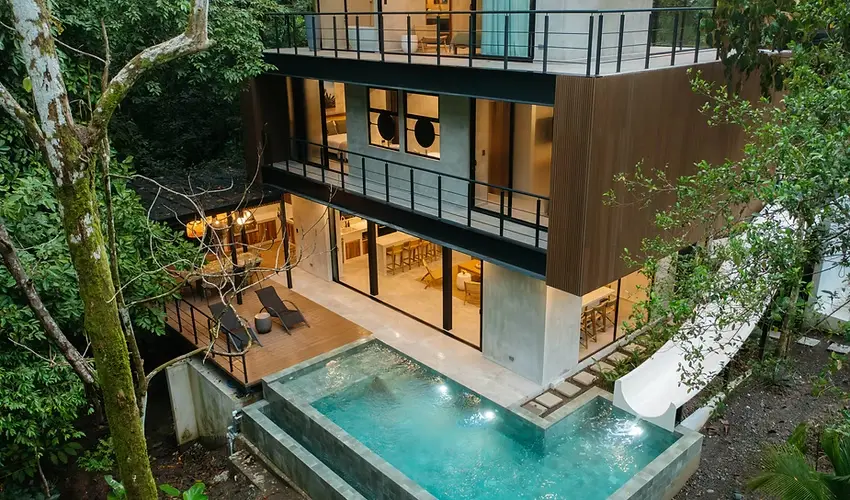
Costa Rica’s first luxury jungle tree house villa development in Manuel Antonio didn’t start with a blueprint — it started with a gap in the market. After nearly two decades sending high‑end travelers to Costa Rica, I saw guests craving private villas with five‑star hotel‑level service in one of the country’s most in‑demand destinations, but…

Richard Bexon
Managing Director
Why Manuel Antonio Needed a New Luxury Villa Development
For 18 years, as the co-owner of Costa Rica’s largest luxury travel company, I attempted to persuade hoteliers that clients were looking for villas that were part of hotel properties. Clients wanted the privacy of a luxury villa with the services and amenities of a hotel while enjoying Costa Rica. On one side there were hotels, and on the other there were villas. However, everyone was reluctant to make a move.
Hoteliers had so much invested in their rooms and infrastructure that the thought of investing more into villas — a product they did not know — didn’t fit with them. Villa developers, on the other hand, didn’t understand hotels and tourism; they understood land and building. There was a gap — serviced high-end villas — that very few were offering, and that tourists visiting Costa Rica were looking for. This is how the seed of Manuel Antonio Tree House Villas started.
From Travel Operator to Manuel Antonio Villa Developer
I believe that all things happen for a reason, and on this project, from the outset, they did. In 2022, after 18 years at Namu Travel, I decided I needed a new challenge. I wasn’t 100% sure what that was, but I knew I needed something new that would push me. I spent much of 2022 and 2023 helping other developers and investors understand the market, and also project-managing the development of luxury homes throughout Costa Rica. My goal was to further understand the development and construction side of Costa Rica, because while I had built in Costa Rica before, I hadn’t developed.
Costa Rica’s First Luxury Jungle Tree House Villa Experience in Manuel Antonio
In 2023, while having coffee with a good friend of mine, Jim Damalas, who owned Si Como No, he mentioned that the land we were sitting on was for sale, along with his hotel. He said directly that he wanted me to buy it to continue his legacy. I knew I didn’t want to own a hotel and told Jim this, so he said, “Just buy the land then.” At that moment I didn’t think too much of it. However, as the days passed, a few things started to align in my head:
- Manuel Antonio is one of the strongest and most visited tourist areas of Costa Rica.
- There are many luxury hotels in the area with great occupancy and Average Daily Rates.
- The majority of villa offerings were older, and there really wasn’t much new in the area.
- Tulemar Resort, a villa development, had sold, developed, and operated villas exceptionally over the past 10 years.
With these points in mind and the land available, I chatted with some friends about what I was thinking of doing. My friends in tourism told me it was a solid idea and that the market was demanding it. My friends outside the industry were concerned that I hadn’t really developed before, but they knew I loved a challenge and would figure it out. Therefore, without anyone telling me I was completely crazy, I decided to make an offer for all six lots that my friend Jim had for sale.
The negotiation of the property was actually very quick. Jim and I came to an agreement within one week, signed papers, and I started the due diligence process. In January 2023, we closed on the lots and began the master planning and design process.
Master Planning a Boutique Villa Development in Manuel Antonio
From my tourism days and knowledge of tourism marketing, I knew that the term tree house was highly searched, especially for jungle locations. There weren’t many in Costa Rica, and nobody really owned this space. Therefore, I decided to differentiate ourselves and focus on a jungle tree house villa experience.
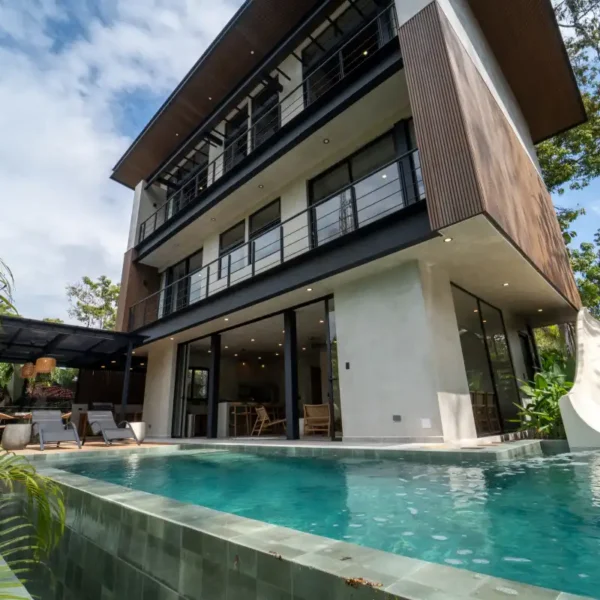
The design process for Manuel Antonio Tree House Villas was somewhat simple, as I already knew from other projects that I wanted to work with Juan Diego Cárdenas at Studio Anónimo, and I also knew I wanted three-story tree house villas. What I didn’t have was a clear design aesthetic or layout. Based on the land we had, we created a simple master plan and, within a few months, had designed and were in permitting for the first three villas.
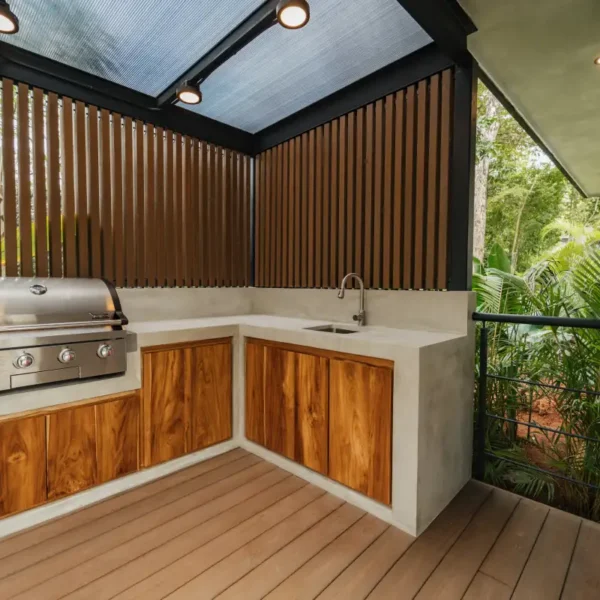
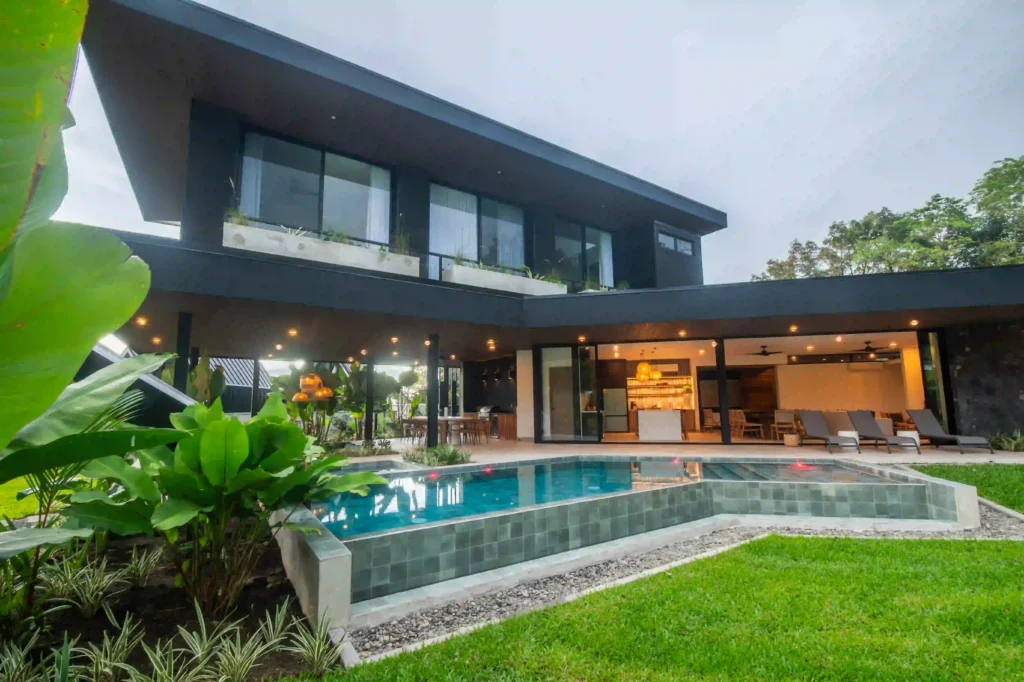
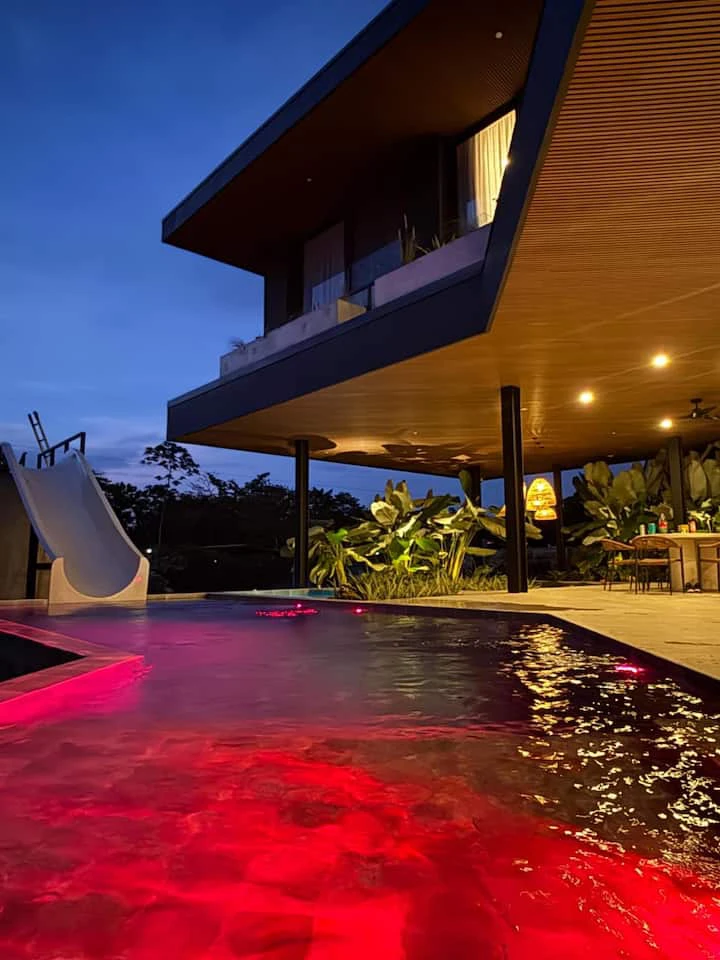
When designing, we knew we wanted a small footprint so as not to cut trees, and we wanted the top floor to sit within the canopy. We needed an efficient build and had to carefully consider materials due to jungle humidity. Some decisions we made included using WPC instead of wood, installing large windows to bring the jungle and wildlife close, and incorporating water slides in the villas — because we knew that if kids were happy, adults would be happy too (this was a huge success, by the way).
Permits and Regulations for Villa Development
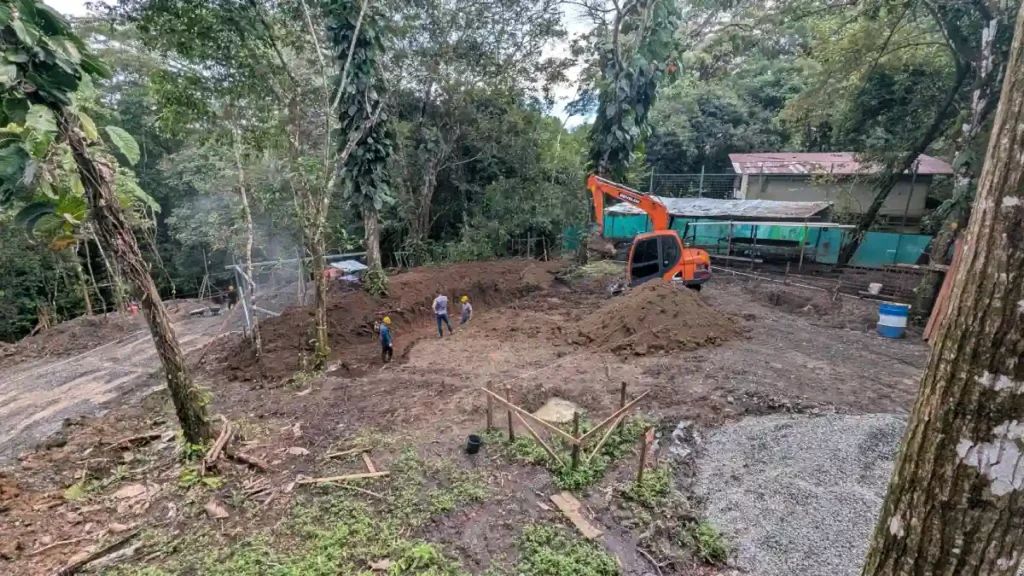
While in permitting, we also went out to bid with several companies we had worked with in the past — companies I was confident could deliver to the level and timeline required. Once we received the bids, we analyzed the costs and ultimately chose Eje Constructivo. We had worked with Eje on a few client projects and there work was of high quality and on time.We spent a few weeks value-engineering the project to bring it within budget, removing some spaces and simplifying certain design elements so the project would be financially viable.
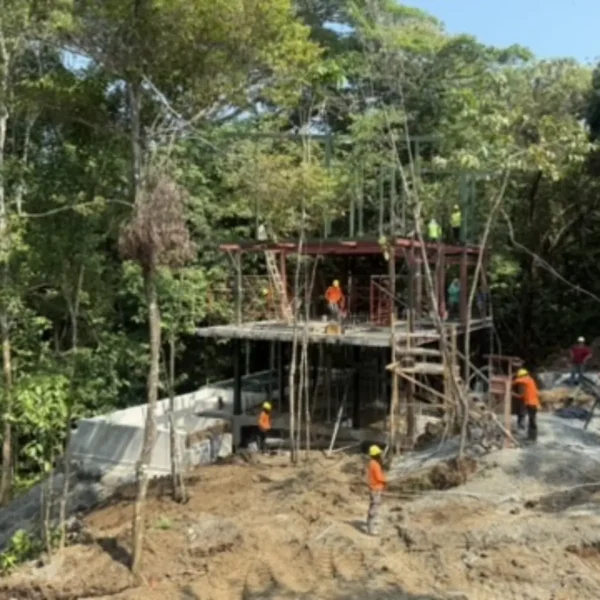
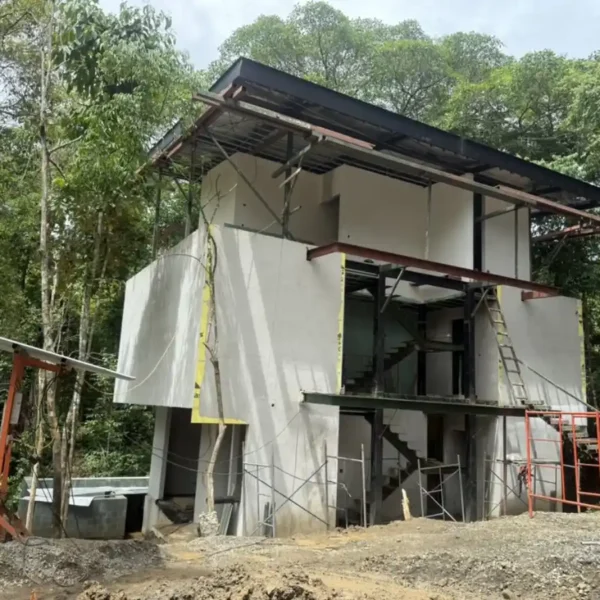
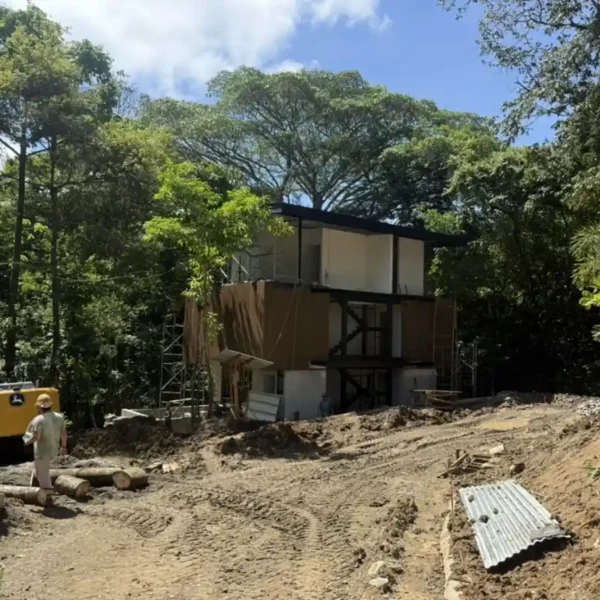
The permitting process, which I thought would be straightforward based on other areas of Costa Rica, was not. I eventually understood that the Municipality of Quepos had faced significant legal pressure and increased oversight from government agencies, making them extremely cautious — especially in a tropical rainforest environment. They requested clarification after clarification, and each new municipal engineer reviewing the plans asked for additional information. It became frustrating, as it seemed the left hand didn’t know what the right was doing. In the end, I had the engineers at Belong Costa Rica sit in the municipality offices every week until we obtained the permit, so if they had questions, we could answer immediately. After six months, we finally received the permit and started construction in September 2025. Our goal was to complete the villas in 10 months, building the first three together to gain economies of scale.
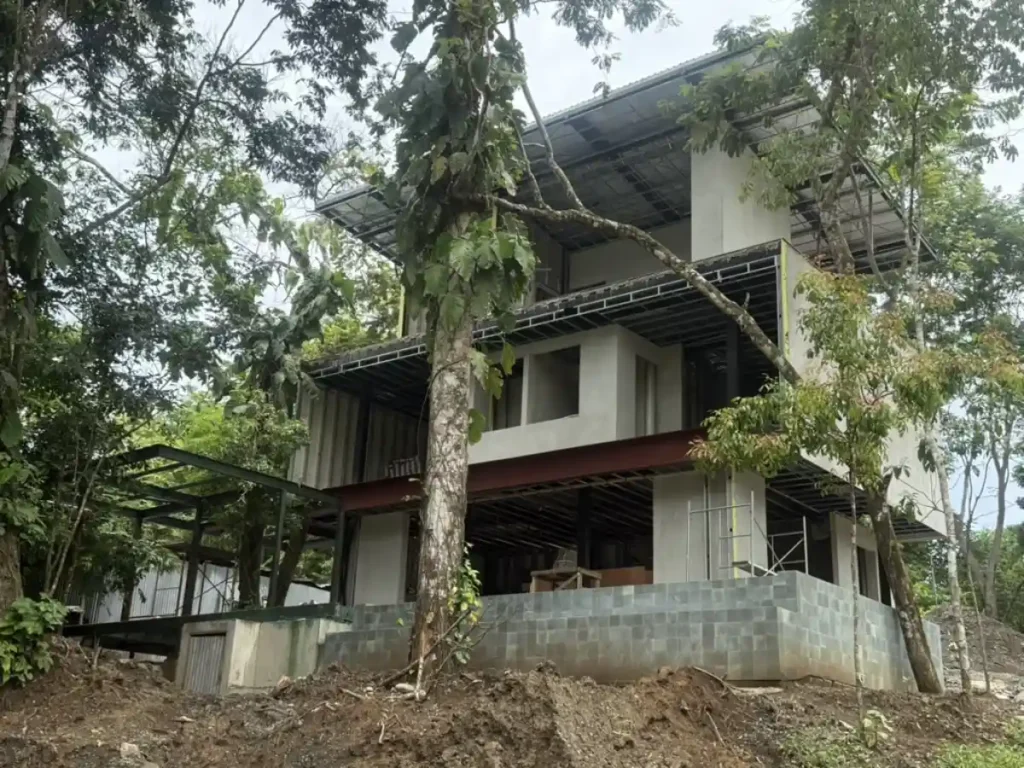
Manuel Antonio Tree House Villas Development Timeline (2023–2025)
In September and October 2024, Costa Rica experienced the wettest rainy season on record — exactly when we were trying to dig and pour foundations. Anyone familiar with construction knows this is nearly impossible during nonstop rain. Foundations flooded, dried, and flooded again. Just getting started pushed us back four weeks. I told the construction company we needed to recover the time during the build. Of course, they weren’t thrilled, but I told them we had guests arriving in July 2026 (I didn’t at the time — but we needed a deadline).
By November 2025, we were still four weeks behind and created a recovery plan. We held weekly meetings onsite and virtually with everyone involved — from the Eje onsite engineer to interior designer Sarahy Flores. I’ve always believed you can never over-communicate, and that weekly meetings — even when there’s nothing urgent — create discipline.
By April 2025, we were still behind schedule. I was being told we’d recover the time, but I was losing patience and confidence due to unclear answers. We had also begun infrastructure work — water management, roads, and utilities — which, honestly, was the easiest part thanks to Erick, our Head of Construction & Engineering, who guided a construction team that had little experience in this type of work. In retrospect this increased the scope of the original project and added complexity to the delivery date, not faulty of the construction company.
By June 2025, I had had enough and realized we were not going to recover the four weeks. Our first guests were arriving August 19th — a fixed deadline. I sent our Project Manager and Head of Construction & Engineering onsite for two days in late June to diagnose issues and adjust our approach.
By mid to late July, it became clear the onsite staff weren’t delivering the required quality or organization. Subcontractors were not coordinated, communication was poor, and work lacked structure. So, like the control freak I am, I took over project management and moved to Manuel Antonio to finish the project.
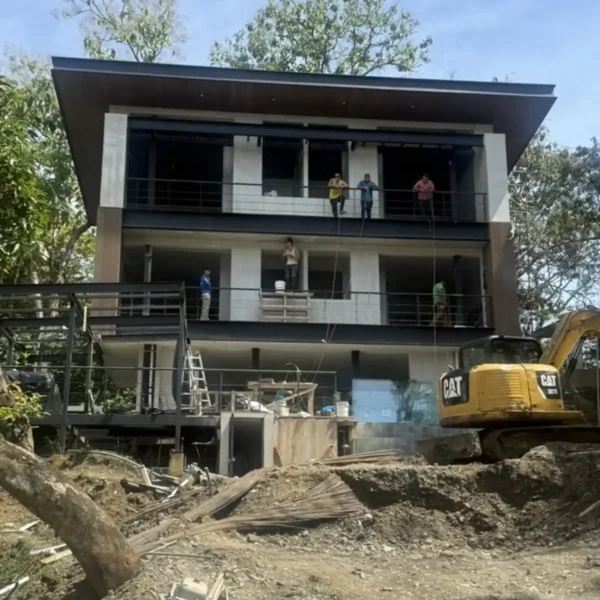
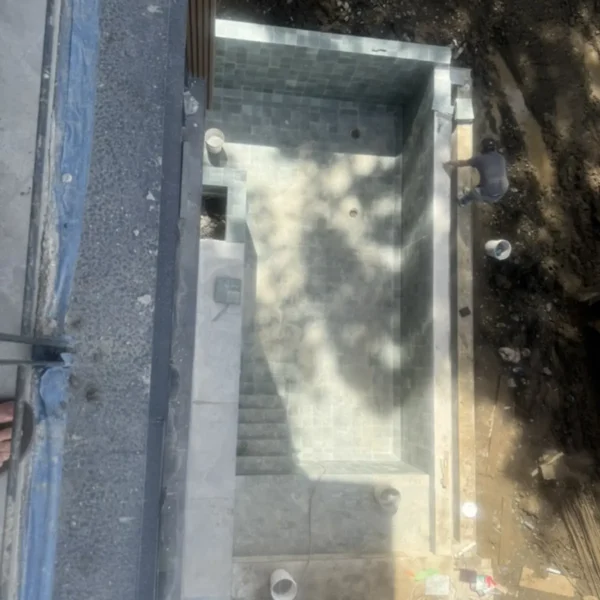
Resolving Construction Challenges in a Manuel Antonio Villa Development
I knew communication and organization were key. I may not be a construction expert, but I know how to run projects. We established daily 8am and 2pm meetings with all key players to coordinate and prioritize work. Initially there was a lot of finger-pointing, but eventually the team united — mostly in shared frustration toward me — and things started moving.
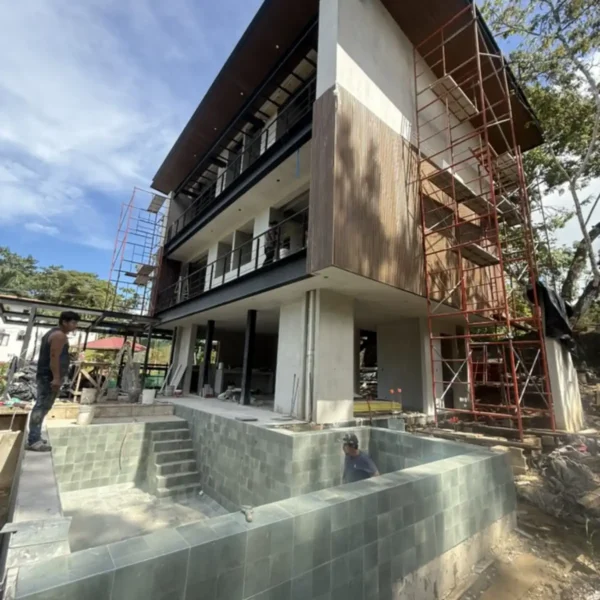
The last two weeks in early August were intense. Errors from earlier work surfaced — water pooling on decks, hot water system issues, and more. One positive outcome was documenting improvements for future villas. We also shifted focus to finishing one villa at a time rather than spreading crews across three. We separated labor crews from finishing crews — skilled detail-focused workers who followed behind to ensure everything was guest-ready. This dramatically improved efficiency and quality.
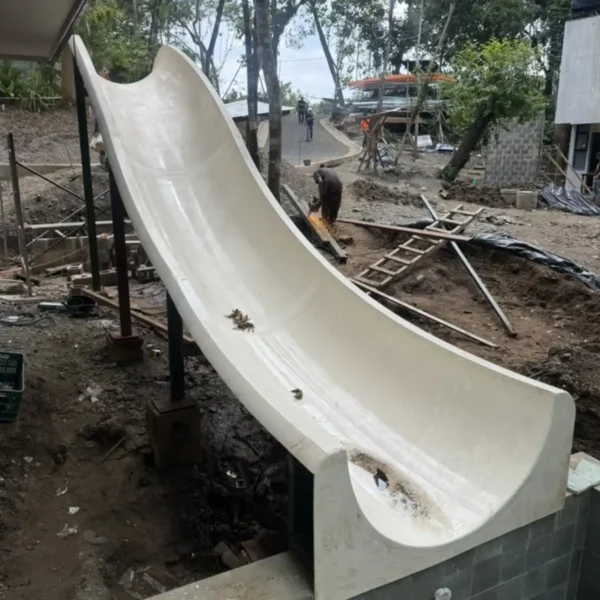
Lessons Learned from Building Luxury Villas in Manuel Antonio, Costa Rica
In retrospect, the project could have gone much worse without weekly meetings, deadlines, and constant communication. Many projects in Costa Rica derail due to excessive trust in construction companies. We saw signs of this but were able to correct the course thanks to active project management and flexibility from the construction company and its staff. Ultimately, the project scope grew during construction to include infrastructure that wasn’t contemplated in the original schedule and I was also impatient, having clients already booked.
Counting the delays due to weather and other unforeseen delays there were considered force majeure, the construction company delivered the project 1 month early. We continue to work with Eje on many projects throughout Costa Rica today.
One major decision that came from developing these villas was to start our own construction company. We had done much of the work during the project and had the staff and experience. We had created a lesson learned document and from this we knew we could deliver Villa 4 on time and on budget.
COBE Construction was born, and they would build Villas 4, 5, and 6.
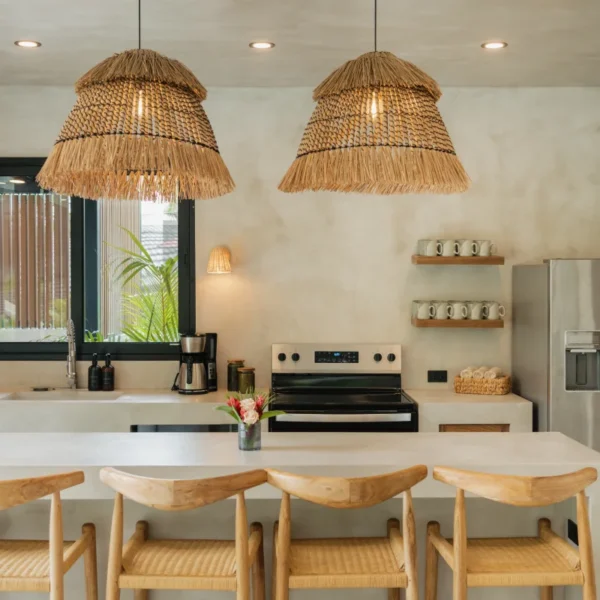
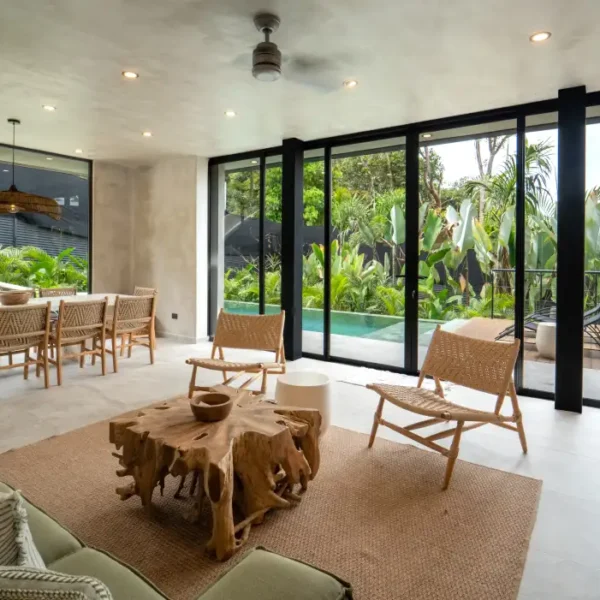
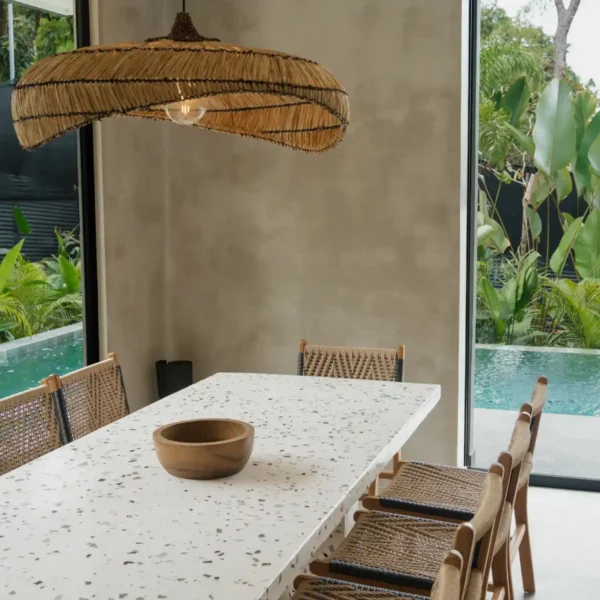
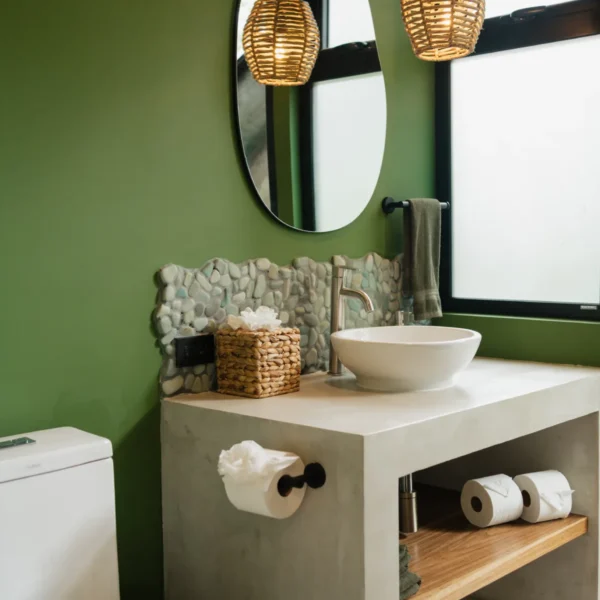
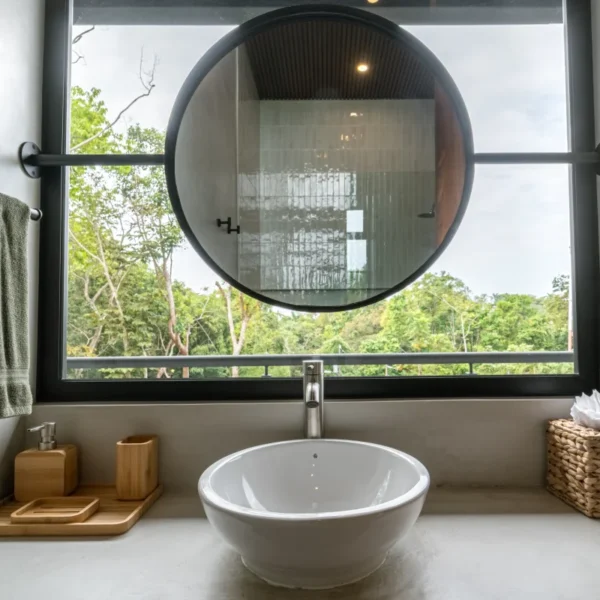
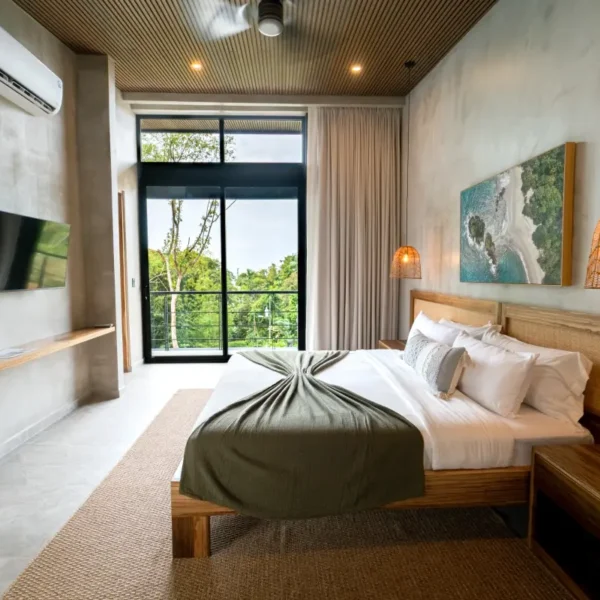
Inside Manuel Antonio Tree House Villas: Boutique Jungle Villa Experience
https://www.manuelantoniotreehouse.com/gallery