Building a 4-Bedroom Luxury Villa in Manuel Antonio: Lessons Learned
Costa Rica’s first luxury jungle tree house villa development in Manuel Antonio didn’t start with a blueprint — it started with a gap in the market. After nearly two decades sending high‑end travelers to Costa Rica, I saw guests craving private villas with five‑star hotel‑level service in one of the country’s most in‑demand destinations, but…

Richard Bexon
Managing Director
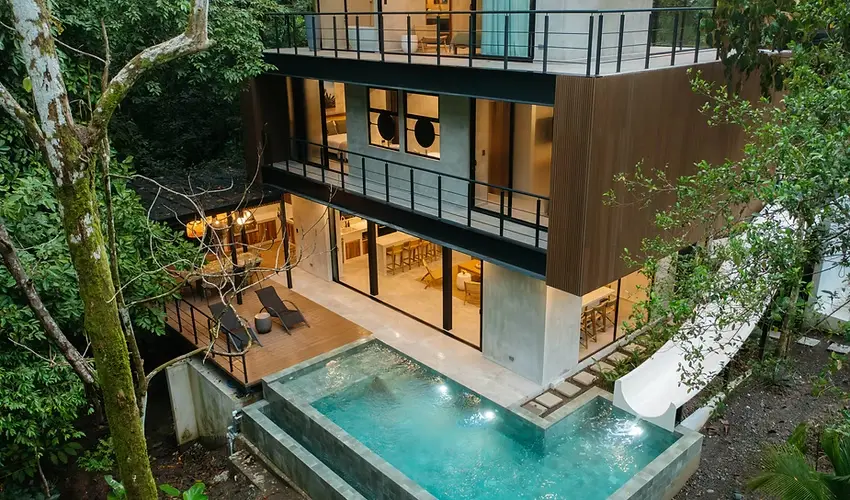
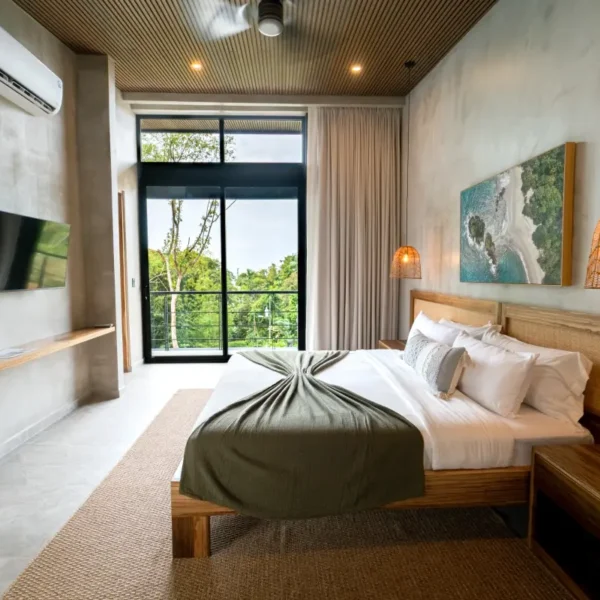
Building a luxury villa in Manuel Antonio, Costa Rica is never just a construction project: it is a test of planning, team, and execution under real constraints. When we conceived Villa 4 at Manuel Antonio Tree House Villas, the original plan was simple: replicate what had already proven successful. Villas 1, 2, and 3 were all 3-bedroom designs, and from a risk perspective, repeating that formula made complete sense. But guest demand told a different story, and that changed everything about what Villa 4 would become.
As bookings and guest feedback came in, it became clear there was growing demand for larger group accommodations. Families and multigenerational travelers were looking for more space, and we saw an opportunity to evolve the product. When we sat down with the architects at Studio Anónimo, their initial suggestion was straightforward: replicate the second floor onto a third floor. From a construction standpoint this was efficient, as the team already knew the design, the build process was familiar, and operationally it would let us run the villas almost like a boutique hotel, with interchangeable units and greater flexibility in managing reservations.
But Villa 4 was not just about adding a bedroom. It became our opportunity to improve everything.
Construction lessons we applied from Villas 1–3
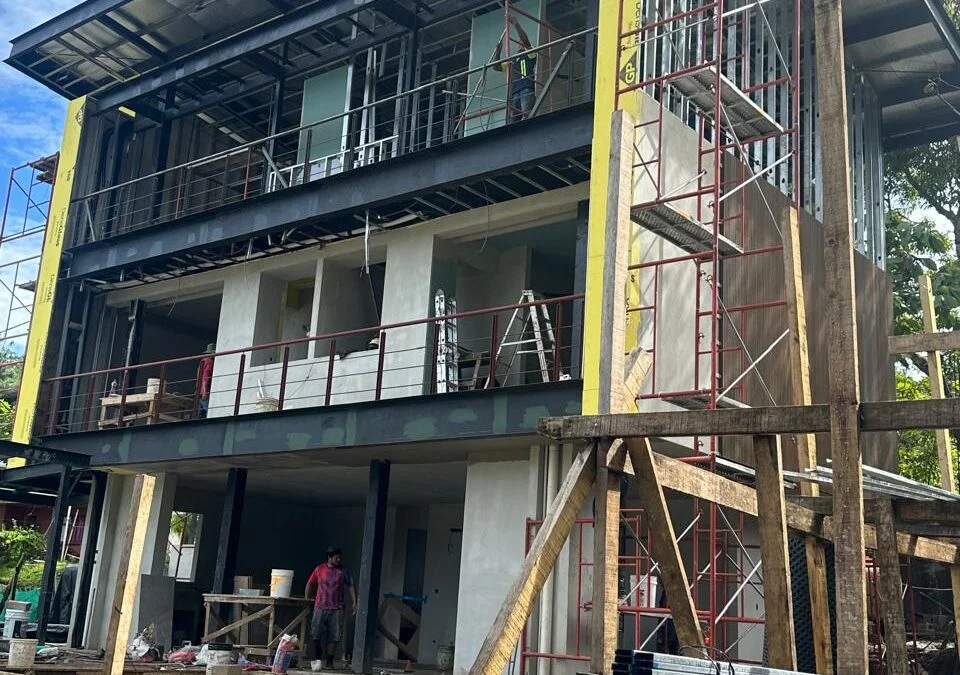
Throughout the construction of Villas 1 to 3, we maintained a detailed “lessons learned” document. By the time those villas were complete, we had a clear list of improvements we wanted to implement immediately:
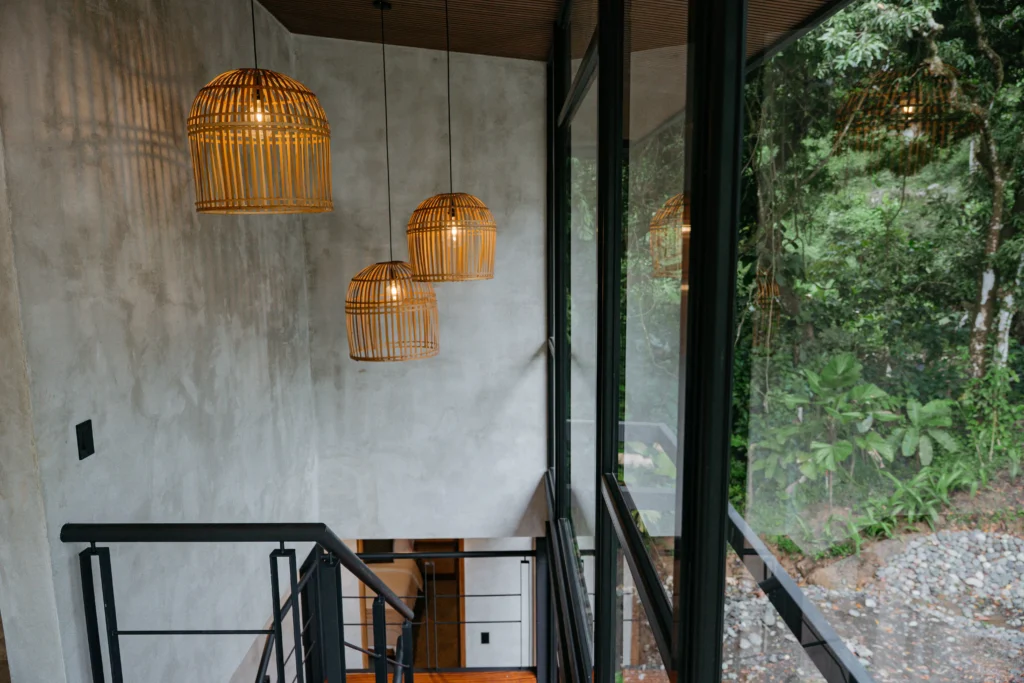
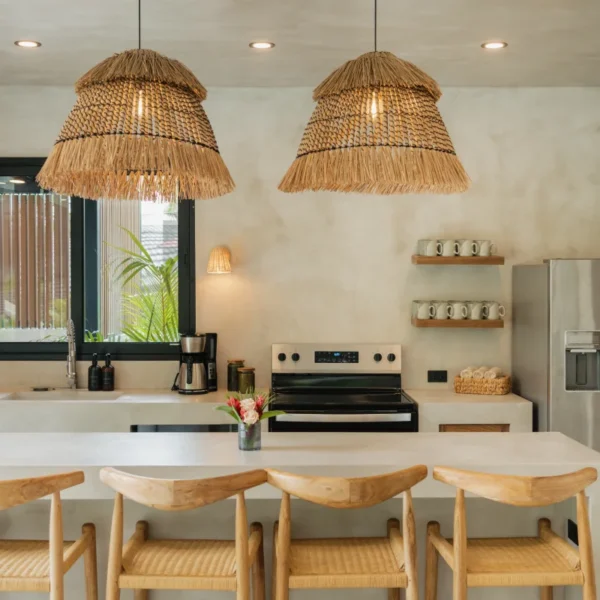
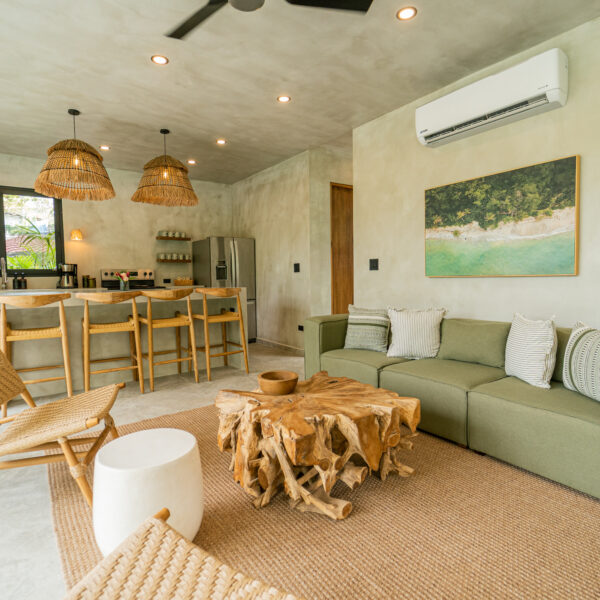
- Kitchen windows needed to be larger to enhance light and usability. In a jungle-facing villa, natural light is part of the product, and undersized windows undermined the entire design intent.
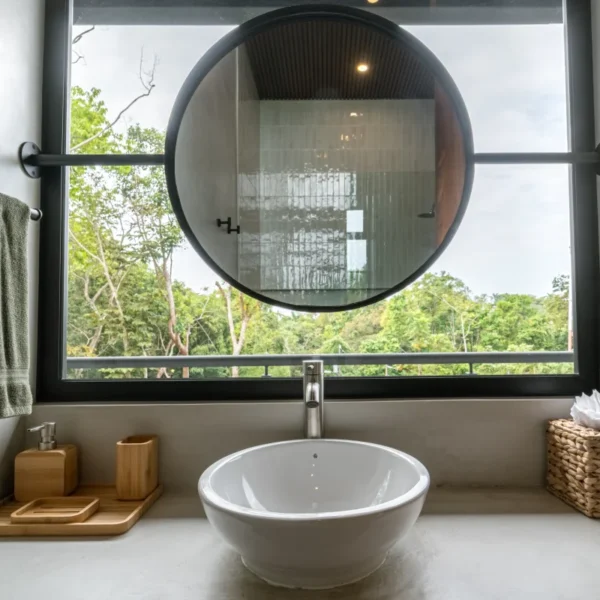
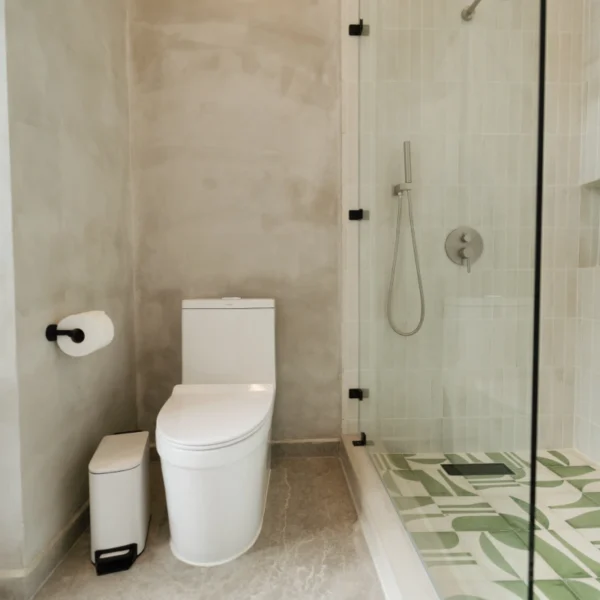
- Stronger quality control across finishes, including tile work, drainage, and hot water systems. These are the items guests notice first and that generate the most friction in early operations.
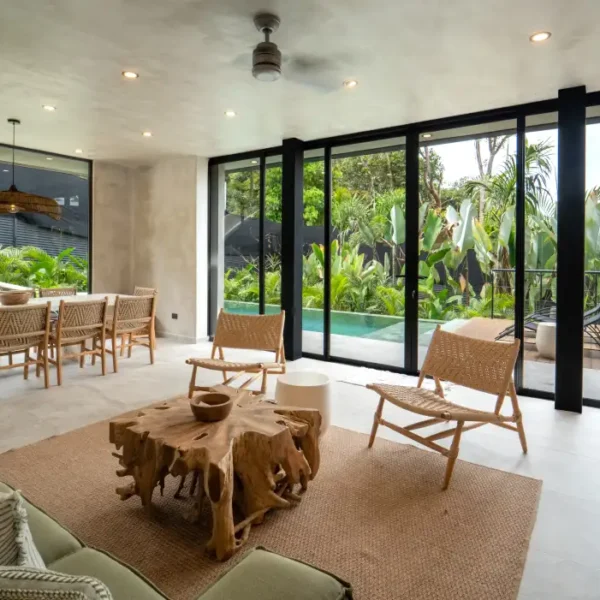
- Increased pool depth for a better guest experience. Shallow plunge pools work for aesthetics but not for the family and group travelers we were targeting.
- Improved AC design, including condensate drainage and condenser placement. Tropical humidity makes condensate drainage a genuine maintenance issue, not a detail.
- Stronger water pump systems. Multi-story villas on raised jungle sites have real pressure challenges, and undersizing this is a recurring mistake in the region.
- Upgraded electrical capacity with 200A connections. Luxury guests travel with equipment, charge EVs, and expect zero flicker. 200A became our new baseline.
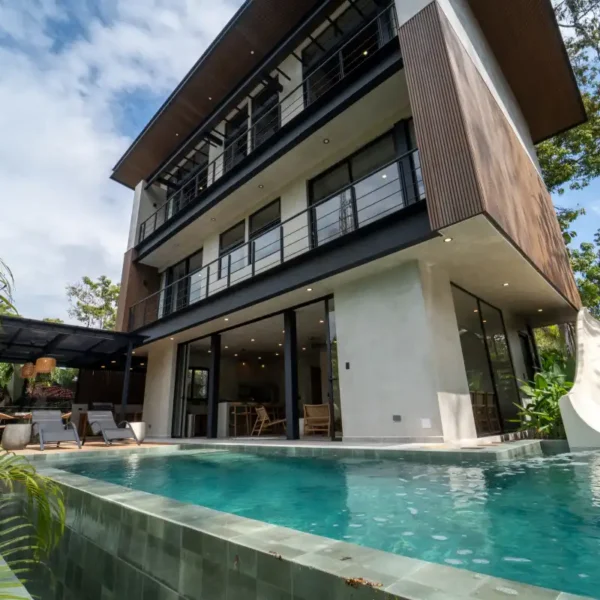
Villa 4 became the testing ground where iteration met execution. The challenge was that it was not a completely new concept, but it was not identical to the earlier villas either. We were effectively taking a proven 3-bedroom design and transforming it into a 4-bedroom villa by adding a replicated floor. That meant minimal structural changes, but required thoughtful adjustments across electromechanical systems and layout efficiency. The goal: increase capacity and revenue potential without increasing complexity.
The biggest challenge in Costa Rica villa construction: time
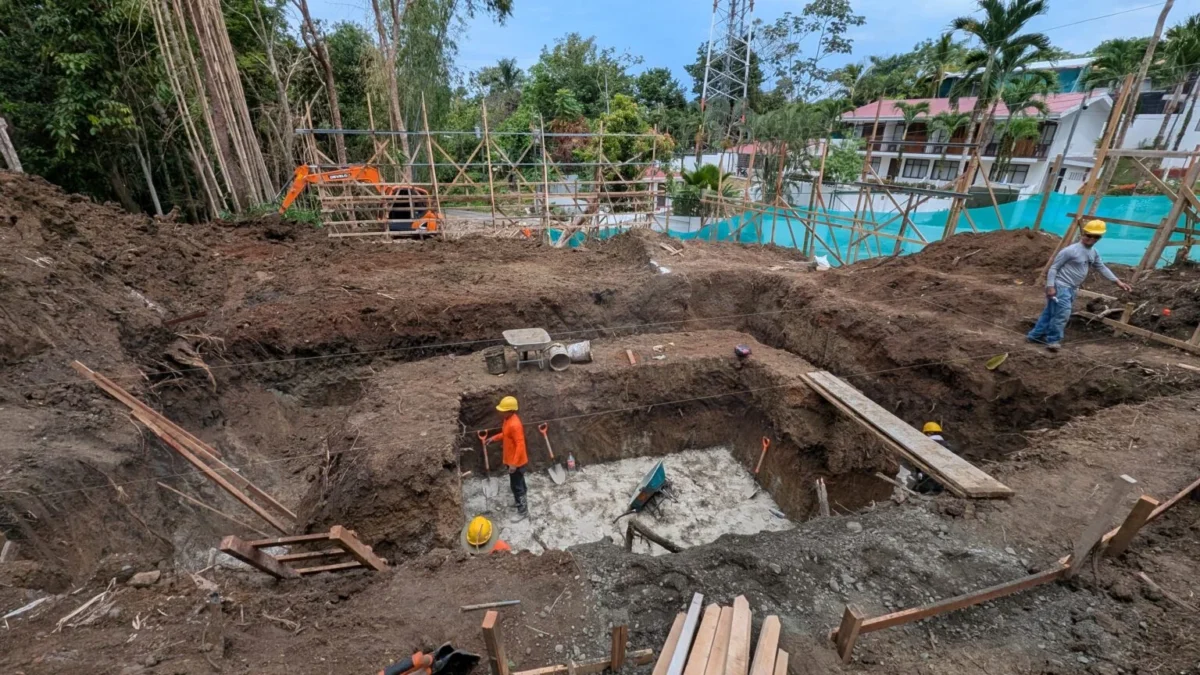
We had just four months to complete the villa, and at the time we set that goal, we were only 15 percent into the build. The team’s initial reaction was clear: it could not be done. Based on standard timelines, we were looking at an early February delivery.
But instead of accepting that, we reframed the problem.
“Forget the deadline for a moment. Let’s break the project into milestones and understand where we really are.”
Once we mapped it out, the February timeline made sense. Then I asked a different question:
“If we had to deliver this by December 18, how would we do it?”
That question changed everything.
Unlocking the team
We brought together all key teams, structural, metal, electrical, and finishing crews, and opened the floor. At first it was slow. People are naturally conditioned to think within constraints. But gradually the conversation shifted:
- We need all materials onsite. No downtime.
- We would need to work 24 hours a day in certain phases.
- We would have to overlap trades more aggressively.
The answer to everything was yes.
Within a week we had a revised plan, not just a hopeful one, but a real, executable schedule showing completion by Dec. 15. It was a powerful reminder: when teams are given permission to think without limitations, performance changes.
How we hired and structured our on-site construction team
We knew execution would depend on leadership on the ground. We made a deliberate decision to have both the engineer and foreman fully embedded in the project, on our payroll and onsite full time.
Our engineer was already known to us from another commercial project. The foreman, however, was the critical hire. After interviewing more than 10 candidates, we selected Don Jorge. What stood out was not just his experience, it was his mindset. He had recently lost his wife and expressed a desire to focus on work and rebuild structure in his life.
In many ways, it was a perfect alignment. We needed someone fully committed. He needed something to commit to. And he delivered.
Execution: communication and accountability
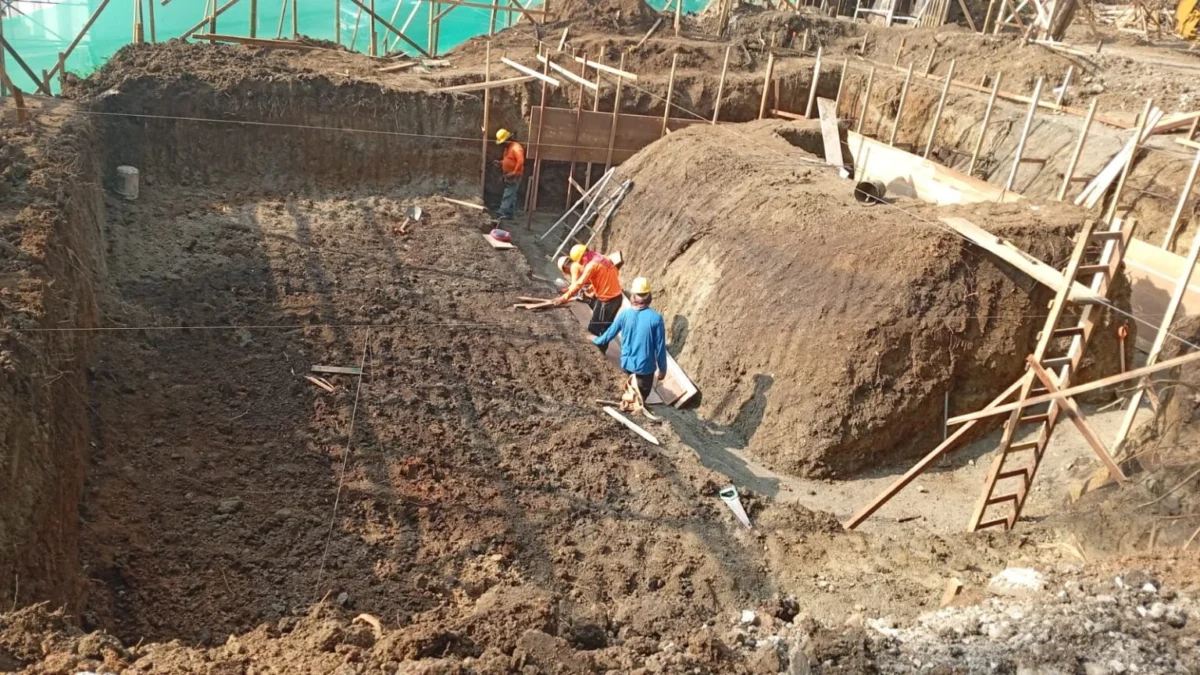
From day one, we implemented two weekly project meetings covering both construction and project management, plus a shared WhatsApp group with all subcontractors. The rule was simple: any issue, delay, or risk had to be communicated immediately. We resolved problems in real time, not after the fact. As I have always believed:
“Overcommunication does not exist in construction.”
Why we pre-ordered everything, including U.S. imports
We identified early that the supply chain would make or break the timeline. So we made a bold move: we ordered everything upfront. This included structural materials, finishes, and fixtures. We even imported a large portion of finishes from the United States, including faucets, appliances, and showers, leveraging favorable exchange rates at the time. It added complexity but removed uncertainty. No materials meant no excuses.
How we cut weeks off the build timeline
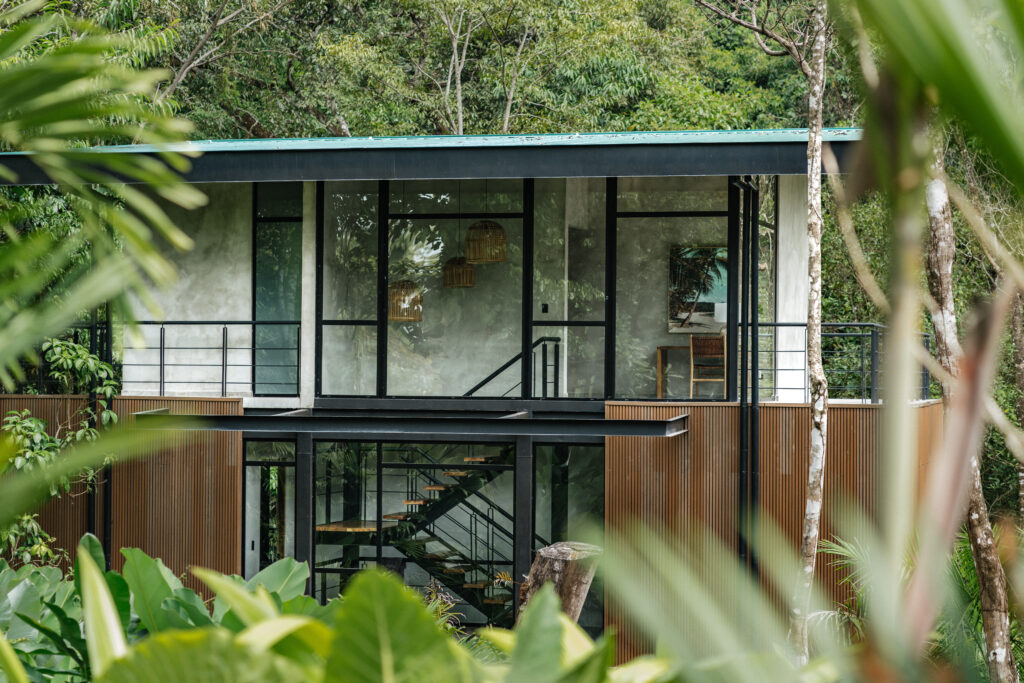
On Villas 1 to 3, we built floor by floor, with metal structure first, then concrete, then repeat. For Villa 4 we changed the approach: we erected the full 3-story metal structure at once, then executed combined concrete pours. This alone saved weeks. It also allowed enclosure to happen faster, unlocking parallel workstreams inside the villa.
Delivery and handover
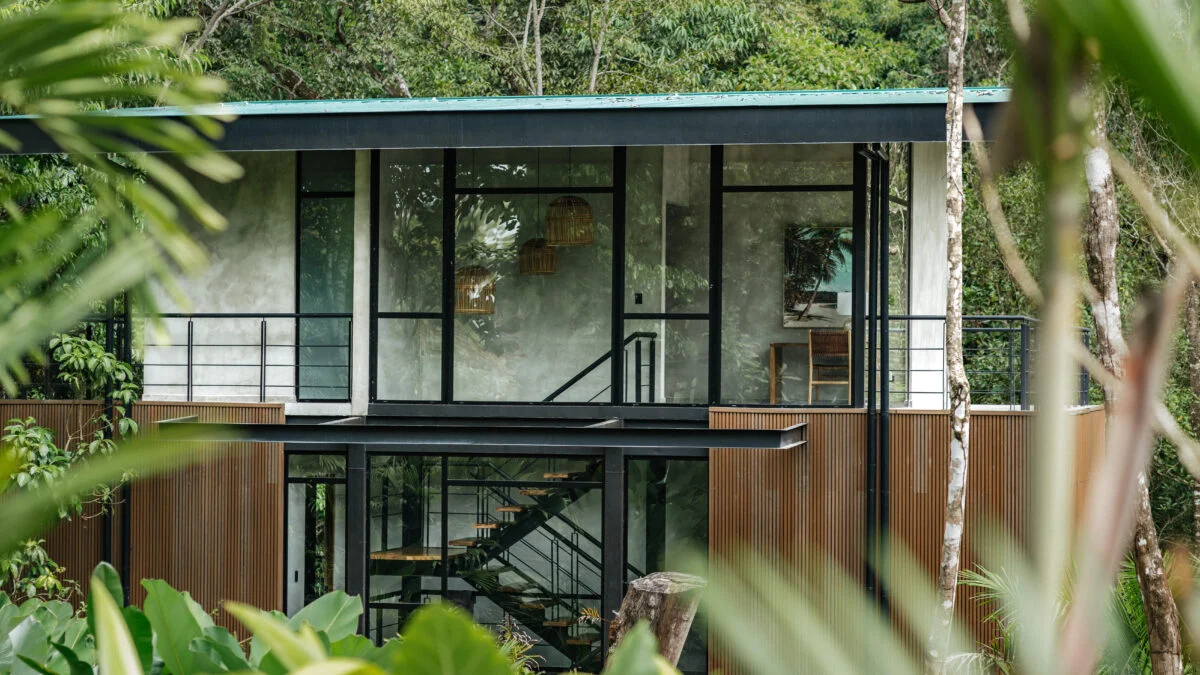
By November the team reported we were ahead of schedule. We needed one thing to hold: the weather. November delivered unusually dry conditions, allowing uninterrupted progress. Ironically, it made landscaping harder later due to hardened soil, but that was a trade-off we were happy to take. By early December, it was clear: we would not just hit the deadline. We would beat it.
- Dec. 10: Construction handed over to operations.
- Dec. 15: Project completion target met.
- Dec. 16–17: I personally stayed in the villa to test the experience.
What stood out most was not just the villa. It was the energy. For the first time, the team was not rushing. No chaos. No stress. Just controlled execution. Operations had time to install, test, and refine. We were not asking guests to stress test the villa anymore. We were delivering a finished product.
What the upgrade from three to four bedrooms means for revenue potential
The decision to go from a 3-bedroom to a 4-bedroom layout was not purely a design choice, but rather a revenue decision. A 4-bedroom villa in Manuel Antonio commands meaningfully higher nightly rates, allowing the property to accommodate multigenerational family bookings and group travel segments that a 3-bedroom unit simply cannot. The incremental construction cost of the additional floor was substantially lower than building a new unit, making Villa 4 one of the highest-return decisions in the project to date.
Looking ahead: Villas 5 and 6
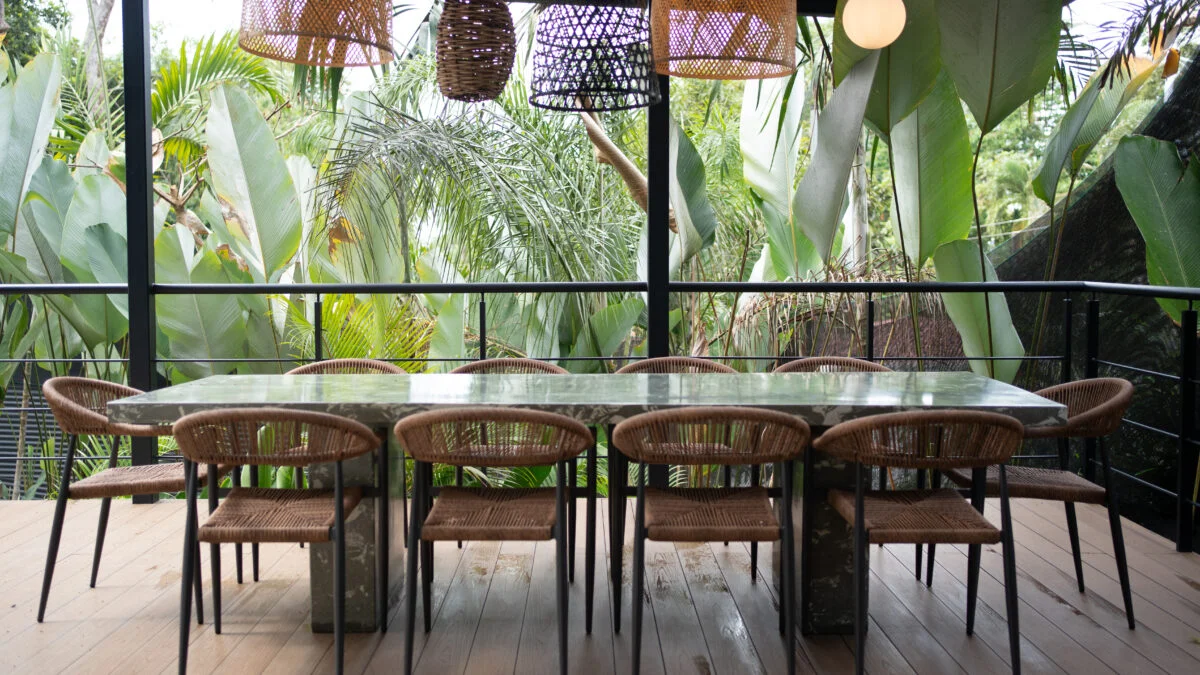
As I write this, we are now three months away from completing Villas 5 and 6. And I feel exactly the same as I did with Villa 4: more clarity, more control, and a stronger, more capable team.
Each project is not just a build. It is an evolution. Building on the lessons from our first four developments, Villas 5 and 6 will take luxury and sustainability to the next level. Stay tuned for a deep dive into these upcoming projects.
Frequently asked questions: building a luxury villa in Costa Rica
How long does it take to build a luxury villa in Costa Rica?
A 3-bedroom villa typically runs six to nine months depending on site complexity, permitting, and finishes. Villa 4, a 4-bedroom, 3-story build, was completed in under four months through pre-ordered materials, overlapping trade schedules, and 24-hour phases during critical-path stages.
What are the biggest risks to construction timelines in Costa Rica?
Supply chain delays, wet season rain windows, and subcontractor sequencing are the three most common causes of overruns. We mitigated all three by ordering all materials upfront, including importing fixtures from the United States, and embedding the engineer and foreman on our direct payroll.
Is it worth importing construction finishes from the United States to Costa Rica?
In periods of favorable exchange rates, yes. For Villa 4, we imported faucets, appliances, and shower fixtures from the United States. It added logistics complexity but removed supply uncertainty and, at the time, offered meaningful cost savings versus sourcing locally.
What electrical capacity should a luxury villa in Costa Rica have?
Based on our experience across four villas, 200A connections are the minimum for a luxury multi-bedroom property. Earlier builds with lower capacity created limitations for guests and operational systems that required costly retrofits.
How do you manage construction quality control in Costa Rica?
Two structured weekly meetings between construction and project management, a shared WhatsApp group with all subcontractors, and a standing rule that any risk or delay must be flagged immediately, not reported after the fact. Reactive communication is the single biggest driver of preventable cost overruns.